Strategic packaging consulting for PPWR-compliant, market-ready packaging

PreZero experts collaborating on sustainable packaging design and recycling solutions during a consulting workshop

The EU Packaging and Packaging Waste Regulation (PPWR) is fundamentally changing what packaging needs to deliver. Recyclability, material use, and documentation are becoming mandatory requirements for market access.

Our packaging consulting helps you develop packaging in a structured way — from Design for Recycling and clear regulatory documentation to proven performance in real recycling processes.

New requirements are changing packaging

The EU Packaging and Packaging Waste Regulation (PPWR) marks a fundamental shift in how packaging is assessed. What used to be shaped mainly by design, marketing, and cost is now increasingly defined by regulatory requirements and actual recyclability.

Packaging now has to perform on several levels at once: regulatory compliance, technical recyclability, and economic efficiency. The PPWR makes requirements for materials, recyclability, and documentation mandatory.

Companies that fail to meet these requirements risk more than fines. They also put market access for their products at risk.

As a technical compliance partner, we turn legal requirements into practical processes, so that substance restrictions like PFAS and minimum recycled content don't stall your supply chain.

Companies must adapt their packaging concepts accordingly to meet regulatory requirements and avoid additional costs.

Which companies are most affected

The new requirements affect the full value chain. Three groups are especially in focus:

Brand owners and producers

They need to demonstrate that their packaging is technically recyclable. Without reliable proof, they face higher ecomodulation fees or restrictions on market access.

Retailers and private-label businesses

As the link to the end customer, retailers are responsible for checking supplier compliance. The declaration of conformity is becoming a requirement for product listing.

Online retailers

Shipping and transport packaging are subject to additional requirements. From 2030, the PPWR limits empty space in packaging to no more than 50%. Companies need to adapt their packaging concepts accordingly to stay compliant and avoid additional costs.

Technical analysis of plastic packaging using calipers and design sketches to optimize recyclability at PreZero.

Design packaging for the full cycle

Until now, packaging has mainly been developed around design and production requirements. The PPWR is changing that.

Going forward, packaging design alone will no longer decide the outcome. What matters is whether packaging works in real collection, sorting, and recycling systems — and meets regulatory requirements.

  • Material structure of the packaging
  • Sortability in existing facilities
  • Recycling processes for different material streams
  • Regulatory requirements and documentation obligations
  • Economic effects across the full life cycle
     

Our packaging consulting brings these perspectives together and creates a reliable basis for decisions on design, compliance, and economic performance.

Our SPEAR model: Packaging optimization in five phases

The SPEAR model provides a clear framework for assessing and improving packaging against technical, regulatory, and economic requirements.

S – Study (Analysis)

We analyze your packaging portfolio systematically — from substance restrictions and recyclability through to regulatory compliance.

P – Prepare (Strategy)

We develop a clear roadmap for design, material, and process changes that connects economic targets with regulatory requirements.

E – Enhance (Optimization)

We optimize packaging according to Design-for-Recycling criteria — for example by moving to mono-material solutions or improving sortability.

A – Act (Implementation)

We support implementation across the full supply chain — from material choices and the use of recyclates to filling tests.

R – Report (Data and evidence)

We structure your packaging data and provide the documentation needed for authorities, systems, and retail partners.
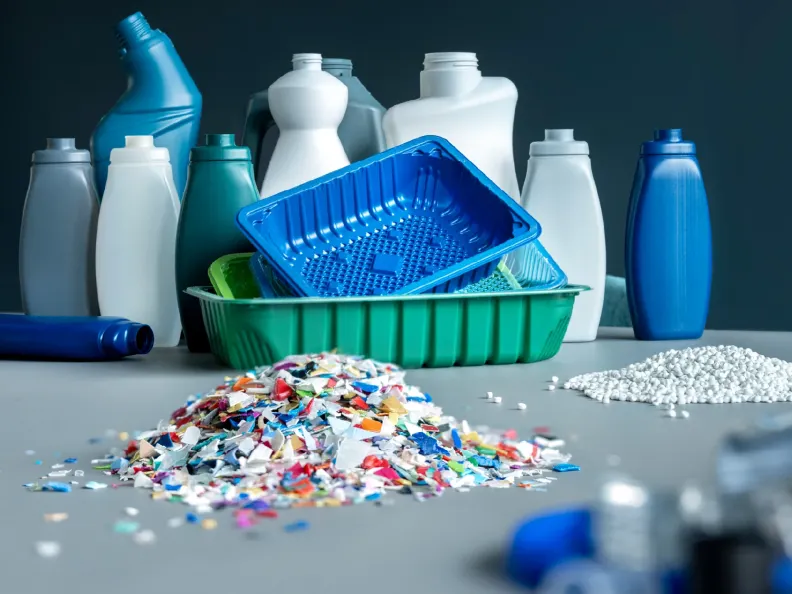
Various plastic packaging, recycled flakes, and pellets demonstrating the PreZero circular economy and recycling process

Your Road to PPWR — Our packaging consulting services at a glance

See in detail how we support you through every phase of the SPEAR model. Download the full service description now, including all modules for analysis, strategy, and operational implementation.

Download service description
PreZero Mitarbeiter arbeitet an einem Laptop mit SPOT

Digital support with the SPOT tool

To assess and document your packaging in a structured way, we also offer digital tools such as SPOT.

The tool helps you capture packaging data systematically, assess recyclability, and document regulatory requirements in a clear and traceable way.

To the digital Compliance-Tool SPOT

FAQ: PPWR and packaging optimization

The PPWR generally applies to all packaging placed on the market in the European Union, regardless of material or application.

This includes sales packaging, transport packaging, service packaging, and e-commerce packaging. Companies therefore need to assess which of their packaging formats fall under the new rules and what changes may be required.

The EU Packaging and Packaging Waste Regulation (PPWR) entered into force on 11 February 2025. Most requirements will apply directly across all EU member states from 12 August 2026.

Companies should therefore prepare early for new requirements around recyclability, recycled content, and expanded documentation obligations.

Design for Recycling means developing packaging so it can be sorted and recycled within existing collection, sorting, and recycling systems. Materials, components, and packaging structures are designed to be technically recyclable and to meet regulatory requirements — including those set by the PPWR.

The PPWR introduces minimum recycled content quotas for plastic packaging based on post-consumer recyclates (PCR). These quotas will be phased in over time and vary by packaging type. For contact-sensitive PET packaging used in food and beverage applications, the targets are 30% recycled content by 2030 and 50% by 2040.

Companies need to build suitable material strategies and recyclate supply chains early, as the availability of high-quality post-consumer recyclates is limited. As a circular economy company, PreZero provides strategic support in closing raw material loops and helps secure access to the material streams needed for greater resource sovereignty.

Packaging recyclability is assessed against technical criteria and needs to be supported by robust evidence.

  • Key factors include:
  • Material structure of the packaging
  • Sortability in existing facilities
  • Separability of individual components
  • Recoverability of materials in the recycling process

In Germany, assessment is currently based on the Minimum Standard of the Central Packaging Register Office (ZSVR). Under the PPWR, these requirements will be harmonized across Europe. The European standardization body CEN is developing new technical standards for this under EN 18120.

In practice, model-based assessments alone are often not enough. What matters is whether packaging can actually be detected in real sorting facilities. That is why empirical sorting tests are becoming increasingly important — especially proof that materials can be identified reliably by NIR systems.

This physical proof gives retailers and authorities the certainty they need.

Technical documentation under Annex VII of the PPWR forms the basis for the declaration of conformity for packaging. It needs to include information on material composition (including adhesives and inks), recyclability as defined under Article 6, recycled content, and packaging minimization. This documentation serves as evidence for authorities, systems, and market partners that PPWR requirements are being met.

Extended producer responsibility means that companies are responsible for the full life cycle of their packaging. This includes financing the collection, sorting, and recovery of packaging waste.

Under the PPWR, this responsibility is being expanded further and linked more closely to criteria such as recyclability and material use.