Electrical Recycling
![[AI-generated] Rare Ressources Electrical Waste Recycling Battery Cable Microship Circuit Board](https://prezero.img.schwarz/pW4WwzK_0WNnoevwUf2tMyj38GyTxgFV2ojIjm0Qu7M/ai:t/dpr:1/h:315/rt:fill/w:896/aHR0cHM6Ly9wcmV6ZXJvLWNtcy5vYmplY3Quc3RvcmFnZS5ldTAxLm9uc3RhY2tpdC5jbG91ZC9wcmV6ZXJvL2ltYWdlcy8wLzIvOS85LzIzNjk5MjAtMi1nZXItSU5ULzFhMGExZDA3NmRkYy1QWl9JbnRfRWxlY3RyaWNhbF9XYXN0ZV9IZXJvLndlYnA)
Waste electrical and electronic equipment
Also known internationally as WEEE (Waste Electrical and Electronic Equipment), it is one of the most complex material streams in recycling. It contains valuable materials that can be recovered through professional collection, sorting and processing, from metals and plastics to other recyclable components. At the same time, handling e-waste requires particular care: hazardous substances must be handled safely, fire risks minimised and legal requirements reliably met.
PreZero supports manufacturers, retailers, local authorities and other partners with solutions for the collection, logistics and recycling of waste electrical and electronic equipment with the aim of securing raw materials and keeping materials in the circular economy.
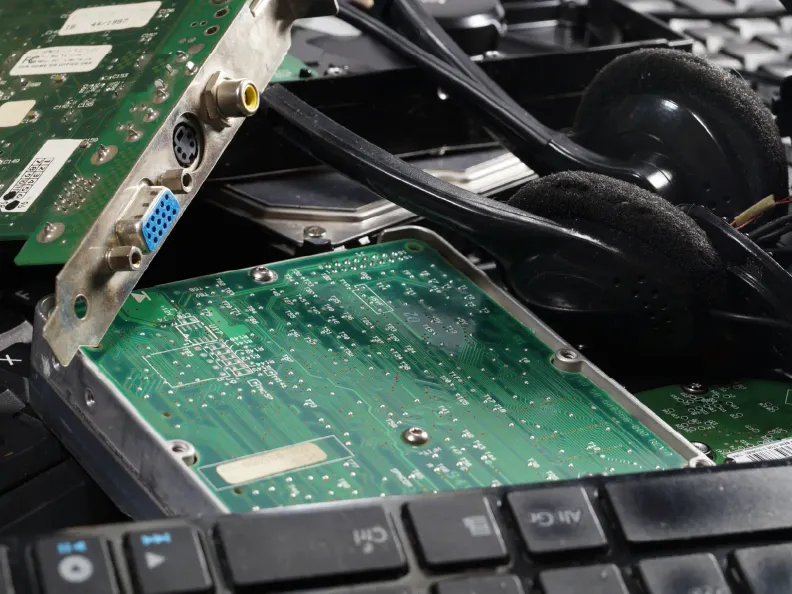
From waste electrical and electronic equipment to secondary raw materials
PreZero collects waste electrical and electronic equipment and directs it to appropriate recycling and recovery processes. In the process, recyclable materials are separated, hazardous substances are treated professionally and valuable raw materials are recovered for further industrial applications.
In this way, e-waste becomes an important source of secondary raw material and valuable materials are kept in the cycle.
Electrical Recycling & Take-Back Solutions
![[AI-generated] Circular Materials Batterie used two AA small and one big](https://prezero.img.schwarz/bemGzt1r_A4y0rgUrrEIHSWA_ZpSmgEJRtAPEYBFhzg/ai:t/dpr:1/h:594/rt:fill/w:792/aHR0cHM6Ly9wcmV6ZXJvLWNtcy5vYmplY3Quc3RvcmFnZS5ldTAxLm9uc3RhY2tpdC5jbG91ZC9wcmV6ZXJvL2ltYWdlcy8xLzMvNC8yLzIzNzI0MzEtMS1nZXItSU5ULzY4M2VjMjMxMDMzZC1QcmVaZXJvX1dlYnNpdGVfQmlsZGtvbnplcHRfQ2lyY3VsYXJfTWF0ZXJpYWxzX0JhdHRlcmllc19LYWNoZWxfNC0zLndlYnA)
Safe management of complex material flows
Waste electrical and electronic equipment contains not only valuable raw materials but also components that require specific safety and environmental standards. These include, for example, refrigerants, mercury, batteries, plastics and other components containing hazardous substances.
Proper processes reduce risks and prepare materials so that they can be recycled to the highest possible standard. In this way, PreZero helps to conserve natural resources, reduce dependence on primary raw materials and promote stable secondary raw material cycles.
Recycling solutions for manufacturers, retailers and local authorities
As an integrated recycling partner, PreZero supports various stakeholders along the value chain, from manufacturers and distributors to retailers and local authority partners.
The focus is on efficient take-back structures, reliable logistics and the professional recycling of collected waste electrical and electronic equipment. This enables legal requirements, operational processes and sustainability targets to be aligned.
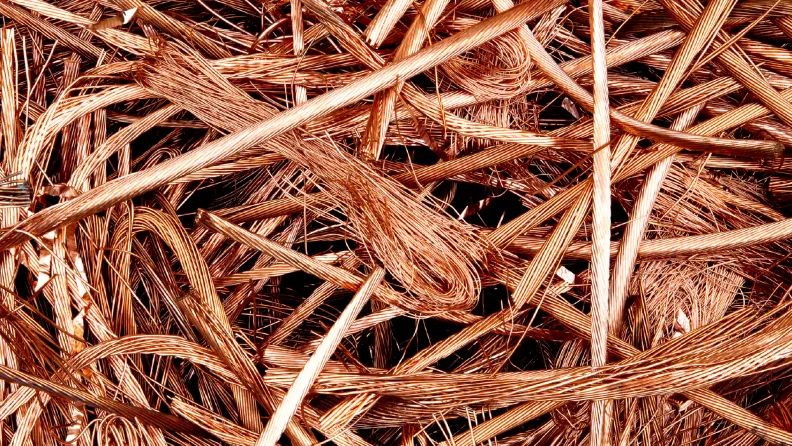
Recovering electronic waste - Securing raw materials
PreZero provides a reliable recycling pathway for waste electrical and electronic equipment: from collection and sorting through to transfer to suitable recycling processes. In the process, valuable materials are recovered, risks are reduced and secondary raw materials are prepared for further applications.
In this way, e-waste becomes a usable source of raw materials – for businesses, retailers and local authorities.
![[AI-generated] Circular Materials Plastic PET yoghurt shampoo pill lid packaging](https://prezero.img.schwarz/yYKMgn_KekNGxqcuP0Mn2dovrOSLEup3arQOIEE4E_0/ai:t/dpr:1/h:294/rt:fill/w:523/aHR0cHM6Ly9wcmV6ZXJvLWNtcy5vYmplY3Quc3RvcmFnZS5ldTAxLm9uc3RhY2tpdC5jbG91ZC9wcmV6ZXJvL2ltYWdlcy80LzYvNS81LzIzNjU1NjQtMS1nZXItSU5ULzg2MGFiYTNhMmY1NC1QWl9JbnRfV2Vic2l0ZV9WaXN1YWxzX0NpcmN1bGFyX01hdGVyaWFsc19QbGFzdGljX0thY2hlbF80LTMud2VicA)
![[AI-generated] Circular Materials Paper ripped Cartonage](https://prezero.img.schwarz/7aOa4-JGlDA0cW_fqffd5q8zNC9j7V9qk6M1PMFGKhE/ai:t/dpr:1/h:294/rt:fill/w:523/aHR0cHM6Ly9wcmV6ZXJvLWNtcy5vYmplY3Quc3RvcmFnZS5ldTAxLm9uc3RhY2tpdC5jbG91ZC9wcmV6ZXJvL2ltYWdlcy8xLzEvNS81LzIzNjU1MTEtMS1nZXItSU5ULzhmYjRlNDY5ZTBiYS1QWl9JbnRfV2Vic2l0ZV9WaXN1YWxzX0NpcmN1bGFyX01hdGVyaWFsc19QYXBlcl9LYWNoZWxfNC0zLndlYnA)
![[AI-generated] Circular Materials plastic PET bottle paper wood glass yoghurt cup](https://prezero.img.schwarz/OAyB4wRbQQmm6HKMMyED06KyVINqz4ytjgxjrhdFGcs/ai:t/dpr:1/h:294/rt:fill/w:523/aHR0cHM6Ly9wcmV6ZXJvLWNtcy5vYmplY3Quc3RvcmFnZS5ldTAxLm9uc3RhY2tpdC5jbG91ZC9wcmV6ZXJvL2ltYWdlcy8zLzcvMy84LzIzOTgzNzMtMS1nZXItSU5UL2RkMTUwMjlkNDk5ZS1QWl9JbnRfV2Vic2l0ZV9WaXN1YWxzX0NpcmN1bGFyX01hdGVyaWFsc19IZWFkZXIucG5n)